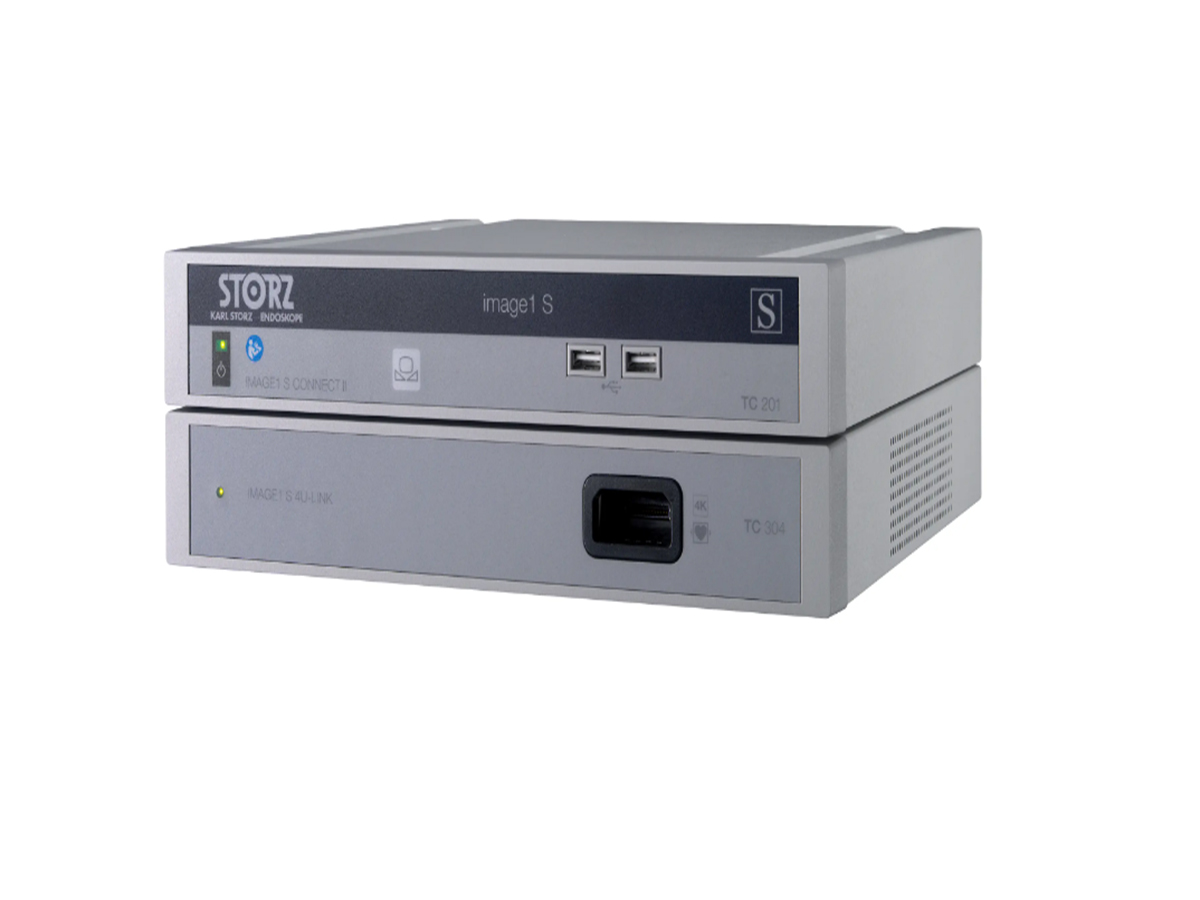
The IMAGE1 S™ 4K Camera System is a medical imaging system designed by Karl Storz for surgical applications. It offers high-resolution 4K imaging, primarily used in endoscopic and minimally invasive surgeries. The system is known for providing enhanced visual clarity, precise details, and accurate color reproduction, which helps surgeons improve their precision during operations.
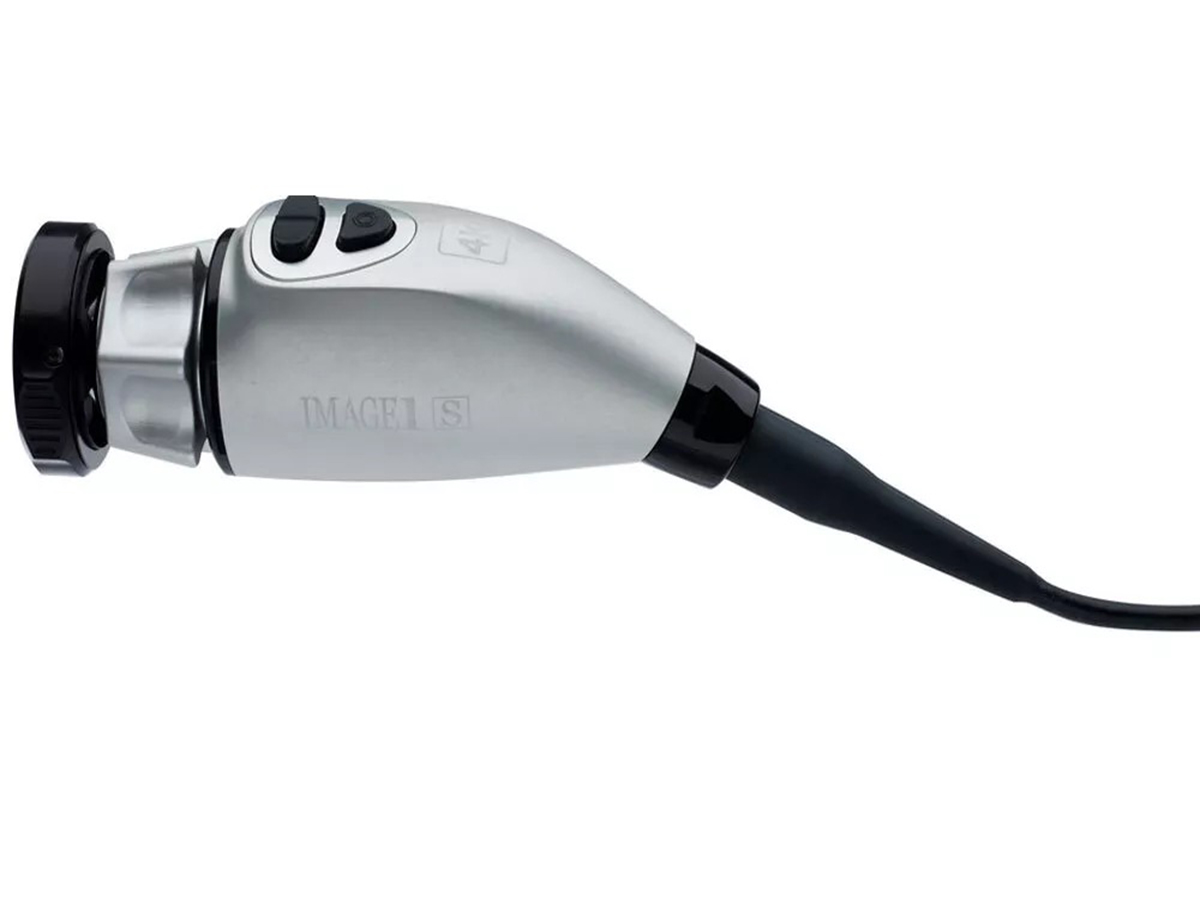
It seems like you're asking about the Karl Storz Image1 S 4K system, a popular endoscopy imaging system. The Image1 S 4K system from Karl Storz provides high-resolution imaging during minimally invasive surgeries, enabling precise visualization of tissues and structures. Some key features of this system include:
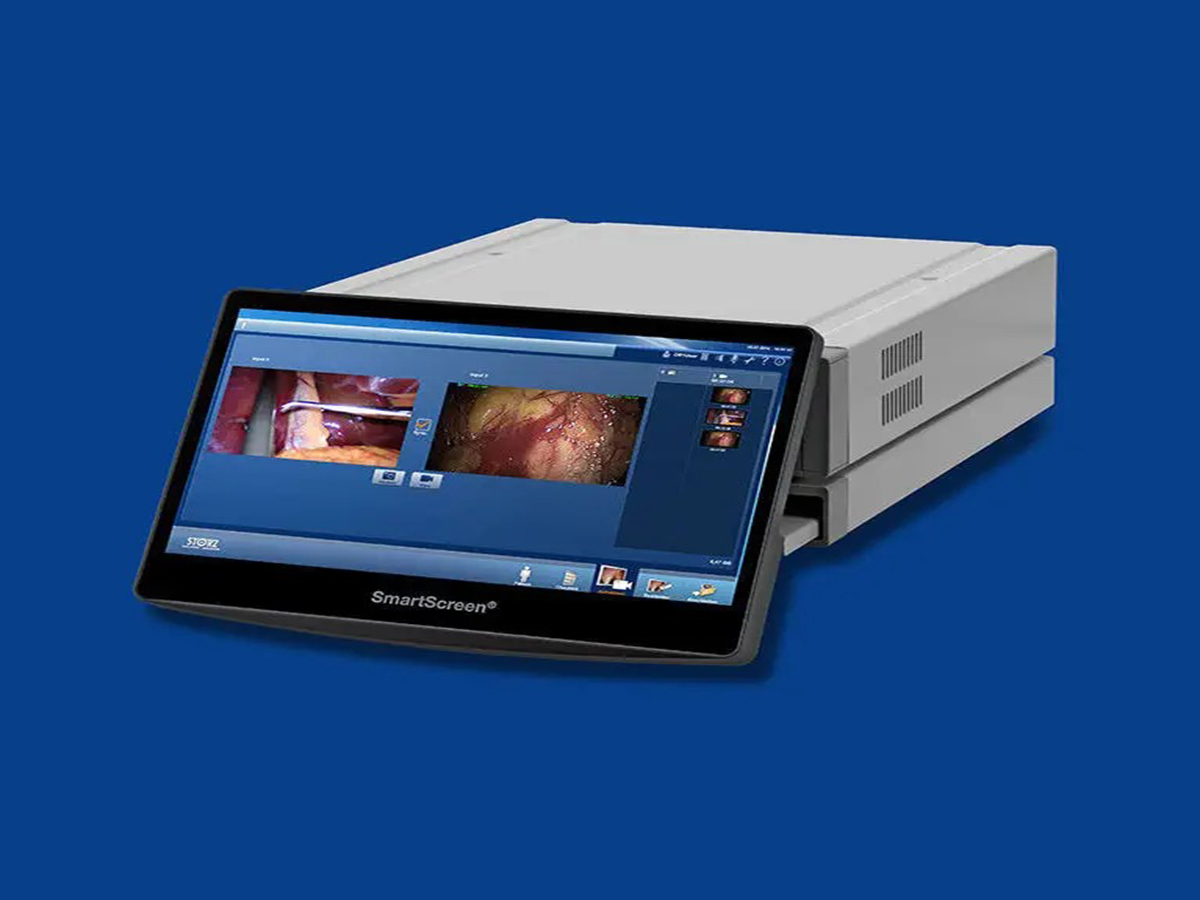
The Karl Storz Surgical Picture Archiving and Communication System (S-PACS) is a specialized solution offered by Karl Storz, a well-known manufacturer of medical instruments and endoscopy systems. Their S-PACS is tailored to manage, store, and share medical images captured during surgeries, particularly in the context of minimally invasive surgery and endoscopy. Here’s an overview of its features and benefits:
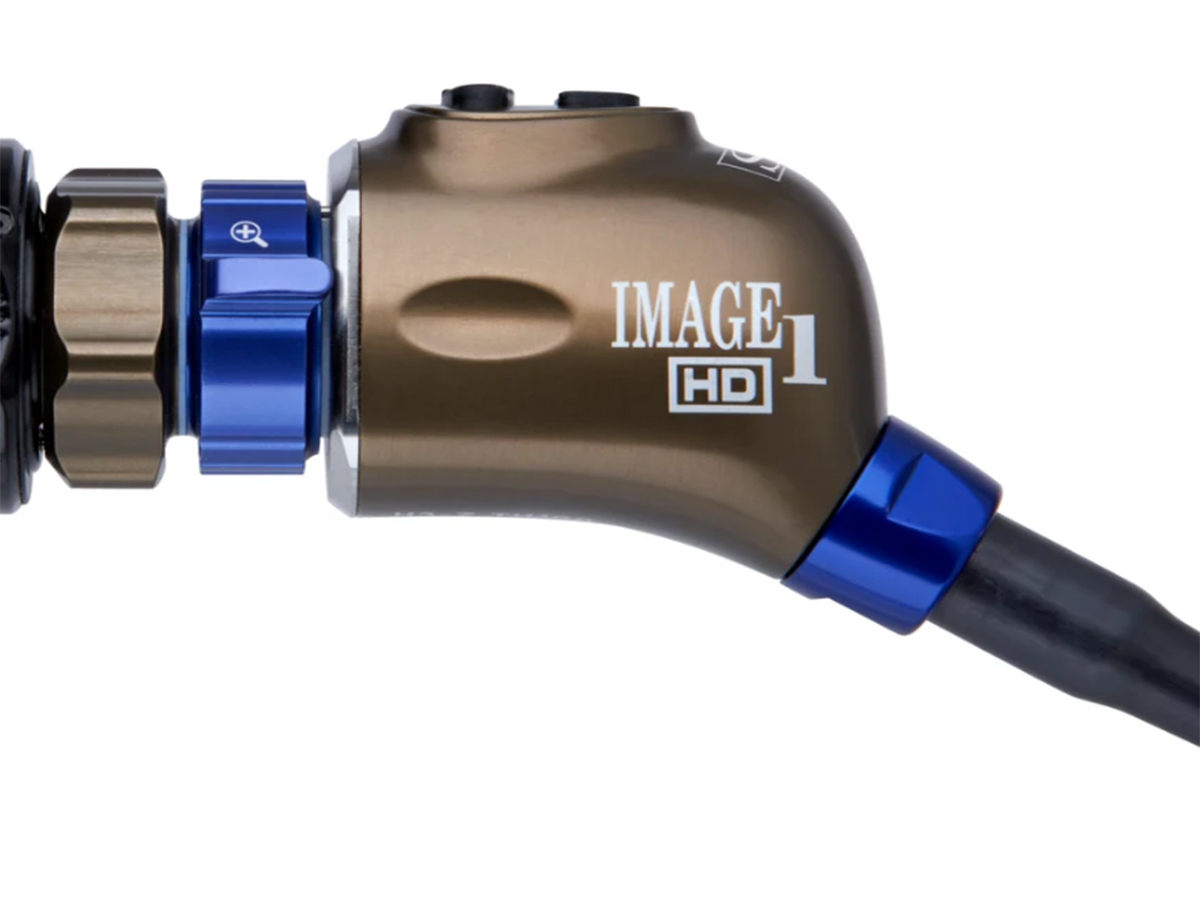
The Karl Storz Image 1 S H3-Z is part of the Karl Storz IMAGE 1 S system, a highly advanced, modular imaging platform used in minimally invasive surgeries. The H3-Z specifically refers to the H3-Z camera head, a key component that offers cutting-edge imaging technology to ensure high-quality video and image capture during surgeries.
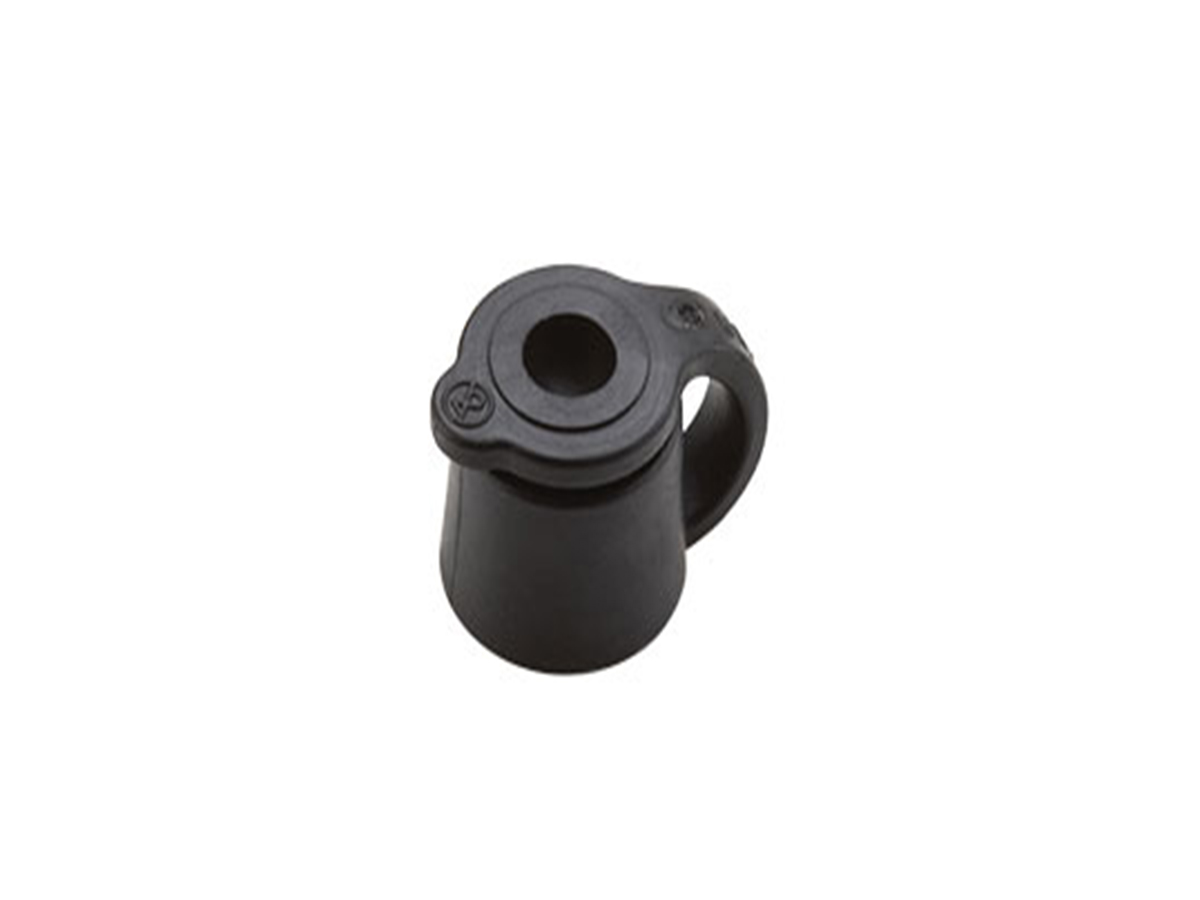
The Defendo Olympus Biopsy device refers to a specialized endoscopic biopsy instrument used for obtaining tissue samples during endoscopic procedures. Here's a breakdown of key features, applications, and details about the Defendo Olympus Biopsy system:
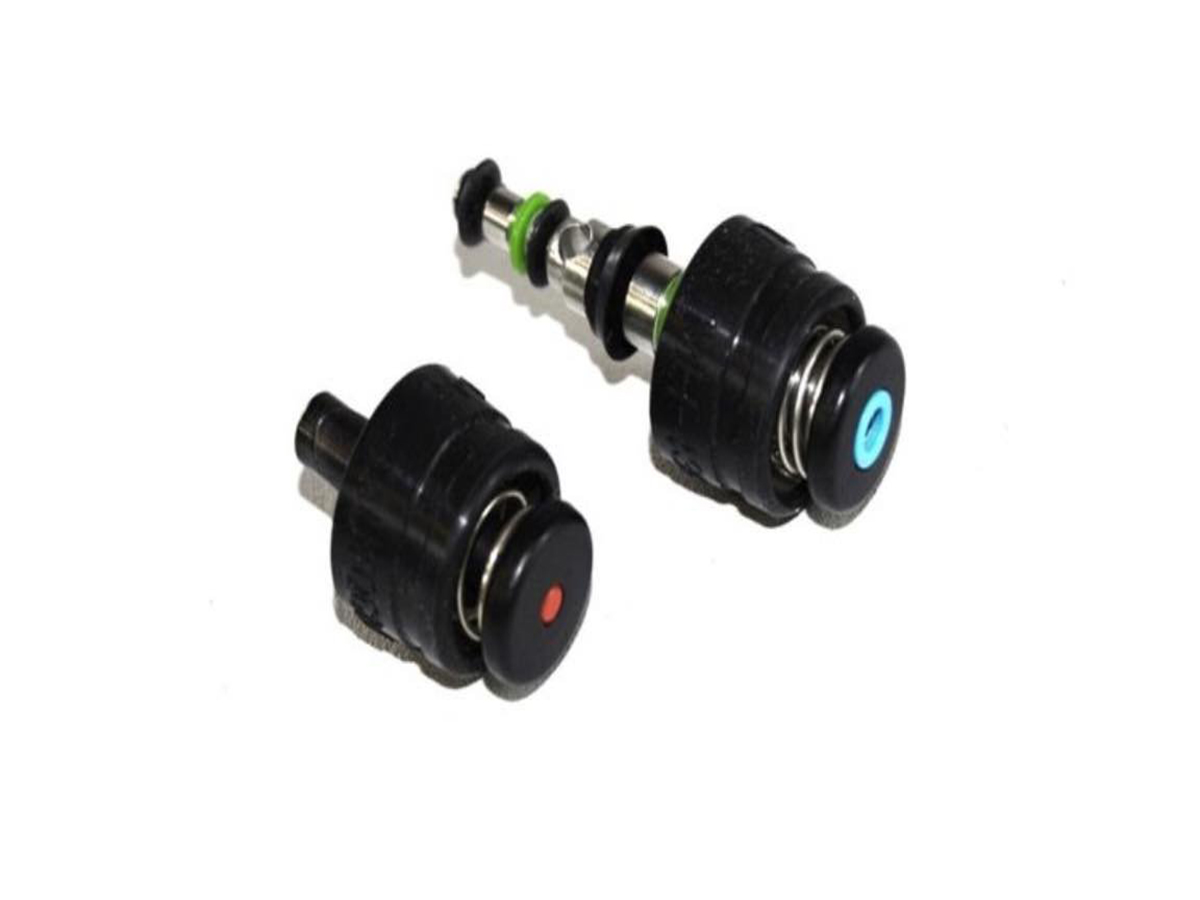
The Olympus MH-433 Air Water Valve is a medical device used in endoscopic procedures, particularly with Olympus endoscopes. This valve allows the clinician to control the flow of air and water through the endoscope, enhancing visualization and facilitating various procedures. Here are some key features and details about the MH-433 Air Water Valve:
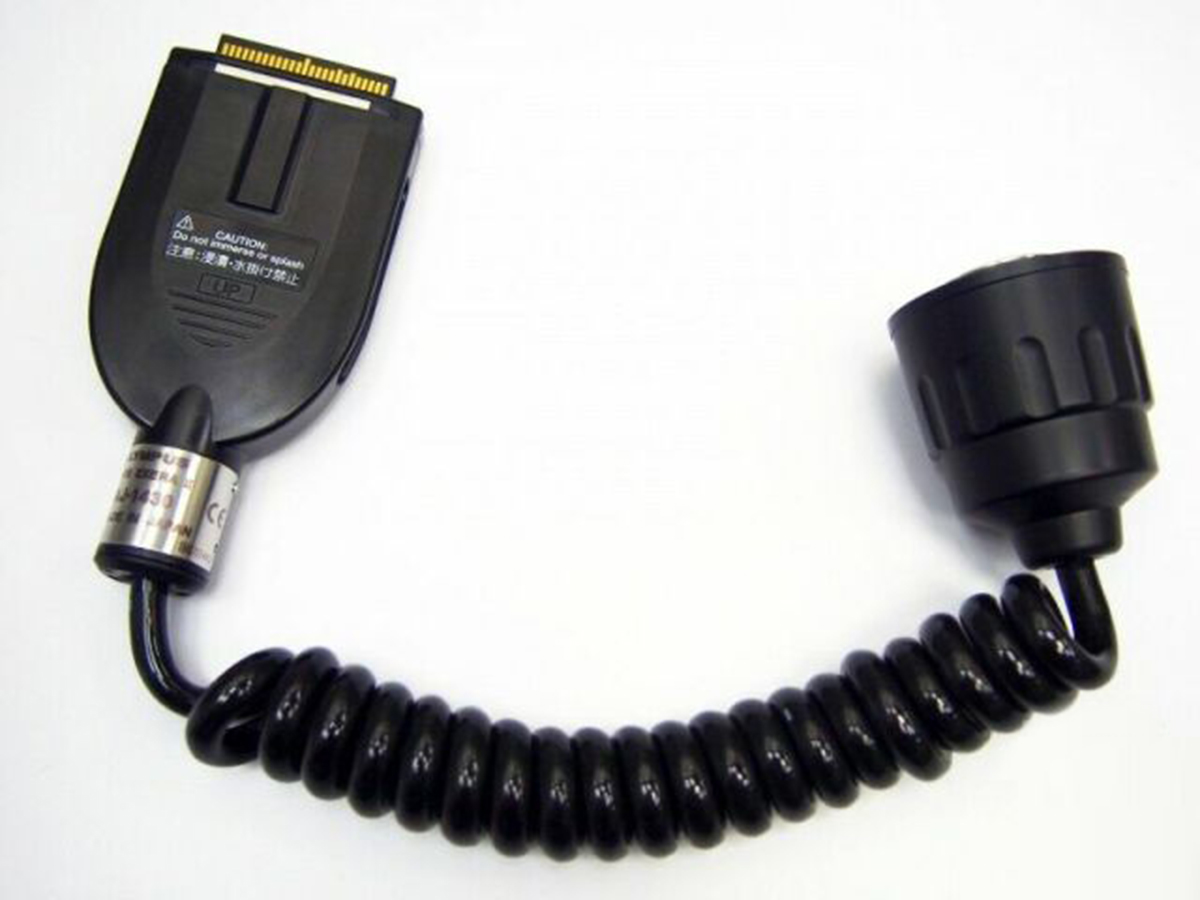
The Olympus MAJ-1430 Pigtail Digital Cable is designed for use with the CV-180 and CV-190 series of video processors, which are part of Olympus's advanced endoscopy systems. Here are the key features and details associated with this cable:
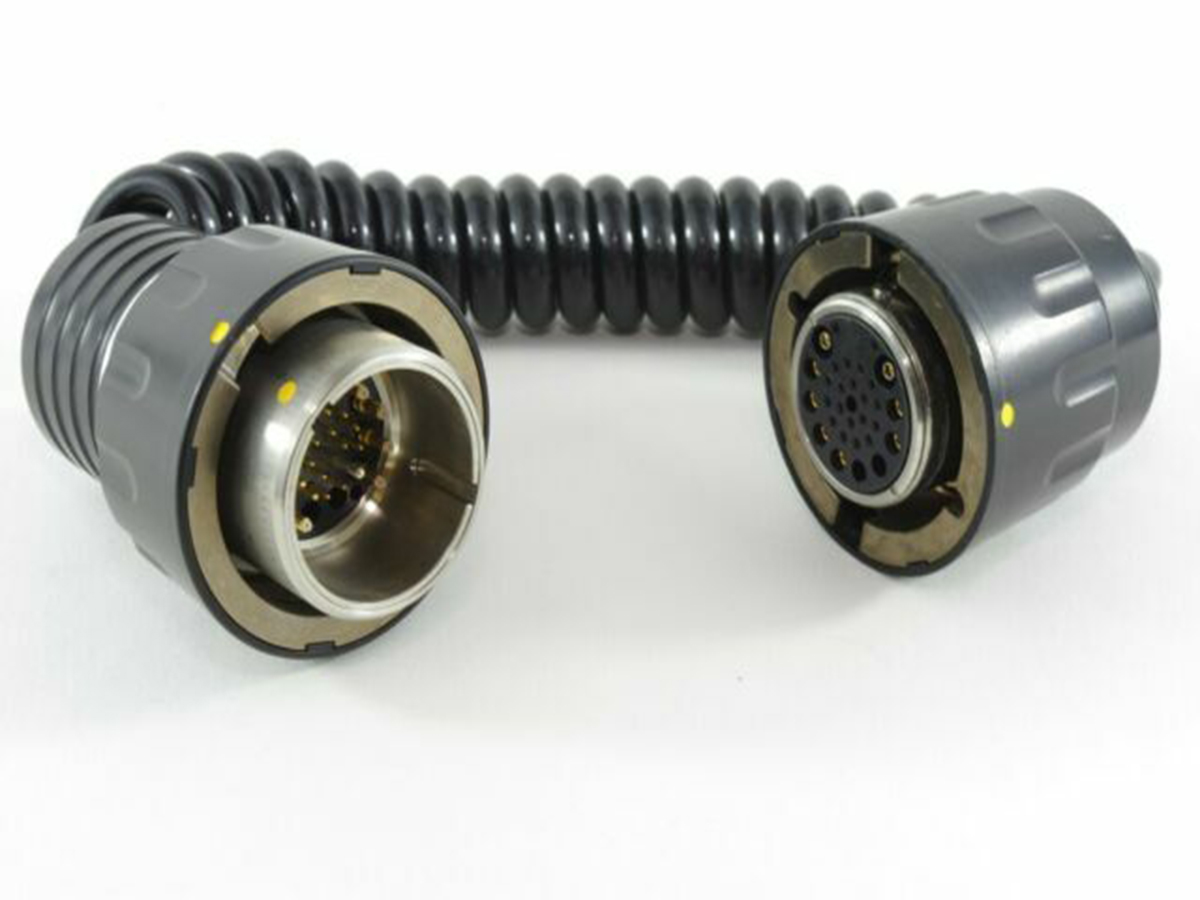
The Olympus MAJ-843 Videoscope Cable is designed for use with Olympus videoscopes, enabling the transmission of video signals from the scope to a monitor or other display equipment during medical procedures. Here are the key features and specifications associated with this cable:
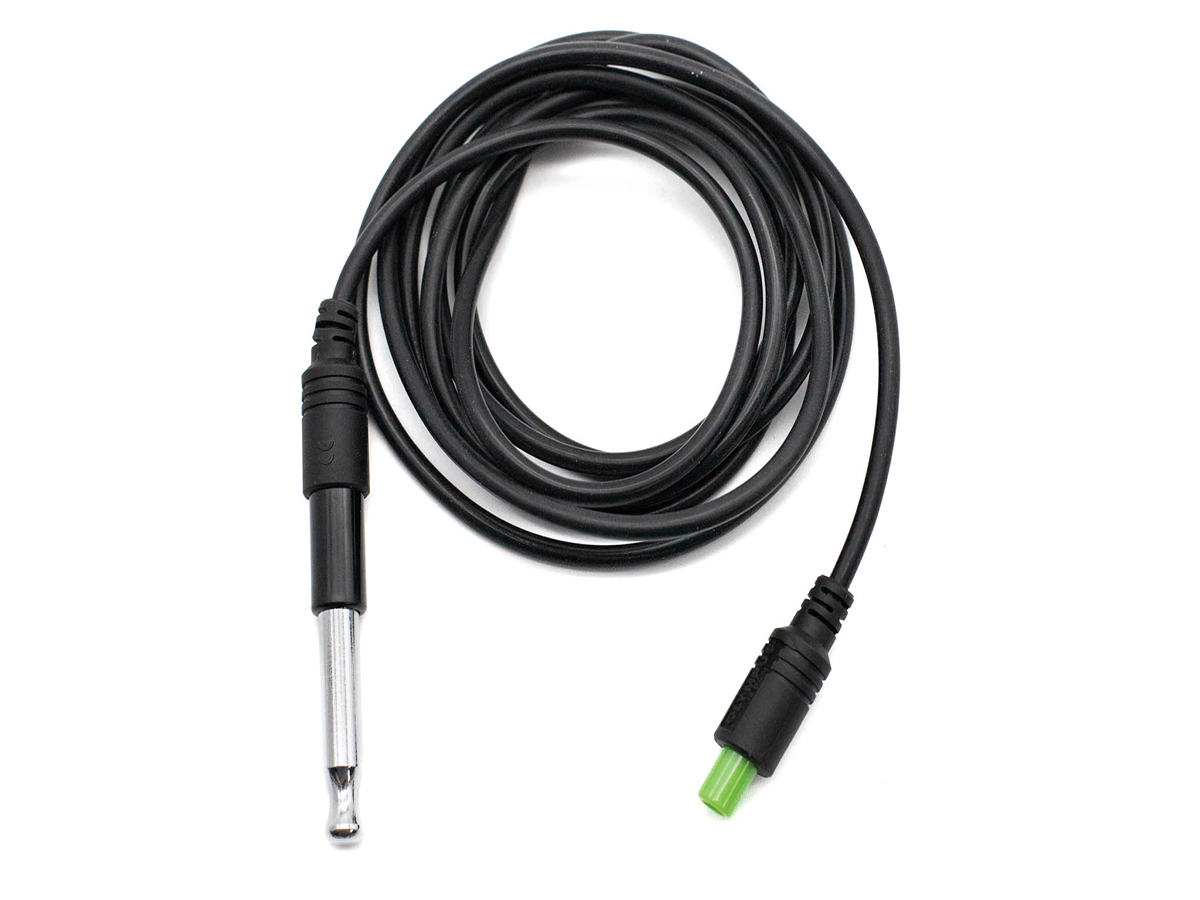
The Olympus MAJ-860 is a high-frequency (HF) cord designed for use with monopolar electrosurgical systems, such as the Olympus MH-969. Here are some key details and features of the MAJ-860: